
Loading
Loading
Welcome to Global Educational Consultants Empowering Educators, Learners & Families


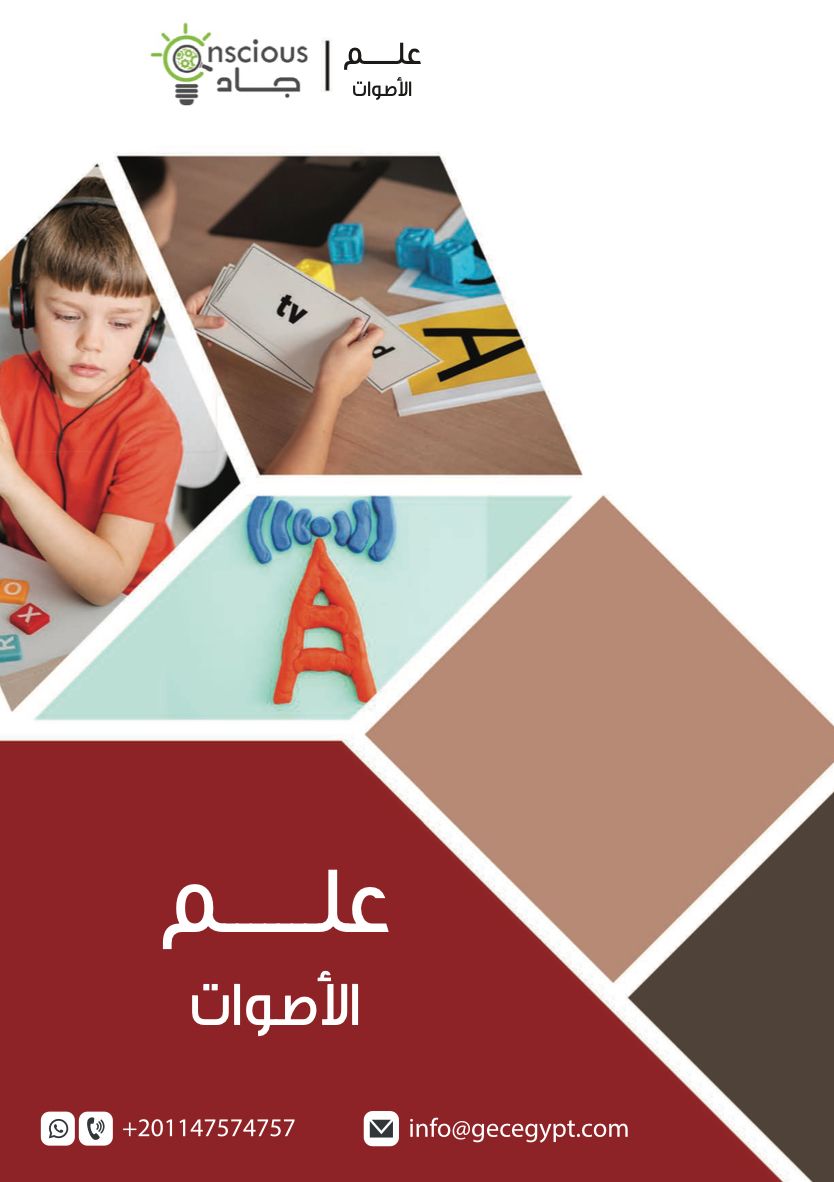
The Phonetics resource is a comprehensive educational and training guide that introduces the scientific study of speech sounds and their fundamental role in language development, reading acquisition, and communication. Rooted in linguistic and cognitive science, this resource provides a structured understanding of how speech sounds are produced, transmitted, and perceived. The material explores the anatomy and function of the human speech apparatus, detailing how sounds are generated through the coordinated interaction of the lungs, vocal cords, tongue, lips, and other articulatory structures. It also introduces key phonetic concepts such as articulation, acoustic properties, auditory processing, and phonemic distinctions, offering learners a deep insight into how language operates at the sound level.
In addition, the resource distinguishes between phonetics and phonology, highlighting their respective roles in analysing speech sounds and their functional use within language systems. It also covers classifications of sounds (vowels and consonants), phoneme systems in Arabic, and the use of international phonetic notation (IPA) as a standardized tool for representing speech sounds. Importantly, the resource connects phonetics to learning and educational practice, supporting professionals in identifying speech and language difficulties, improving pronunciation, and enhancing early reading skills—particularly in learners with language-based learning difficulties. This resource is ideal for teachers, speech therapists, educational psychologists, and parents, and serves as a foundational module in training programmes focused on literacy, language development, and learning difficulties.
The Phonetics resource is a comprehensive educational and training guide that introduces the scientific study of speech sounds and their fundamental role in language development, reading acquisition, and communication. Rooted in linguistic and cognitive science, this resource provides a structured understanding of how speech sounds are produced, transmitted, and perceived. The material explores the anatomy and function of the human speech apparatus, detailing how sounds are generated through the coordinated interaction of the lungs, vocal cords, tongue, lips, and other articulatory structures. It also introduces key phonetic concepts such as articulation, acoustic properties, auditory processing, and phonemic distinctions, offering learners a deep insight into how language operates at the sound level.
In addition, the resource distinguishes between phonetics and phonology, highlighting their respective roles in analysing speech sounds and their functional use within language systems. It also covers classifications of sounds (vowels and consonants), phoneme systems in Arabic, and the use of international phonetic notation (IPA) as a standardized tool for representing speech sounds. Importantly, the resource connects phonetics to learning and educational practice, supporting professionals in identifying speech and language difficulties, improving pronunciation, and enhancing early reading skills—particularly in learners with language-based learning difficulties. This resource is ideal for teachers, speech therapists, educational psychologists, and parents, and serves as a foundational module in training programmes focused on literacy, language development, and learning difficulties.
| Category | Worksheets |
| Language | Arabic |
| Digital Price | Free |
Key Features


