
Loading
Loading
Welcome to Global Educational Consultants Empowering Educators, Learners & Families


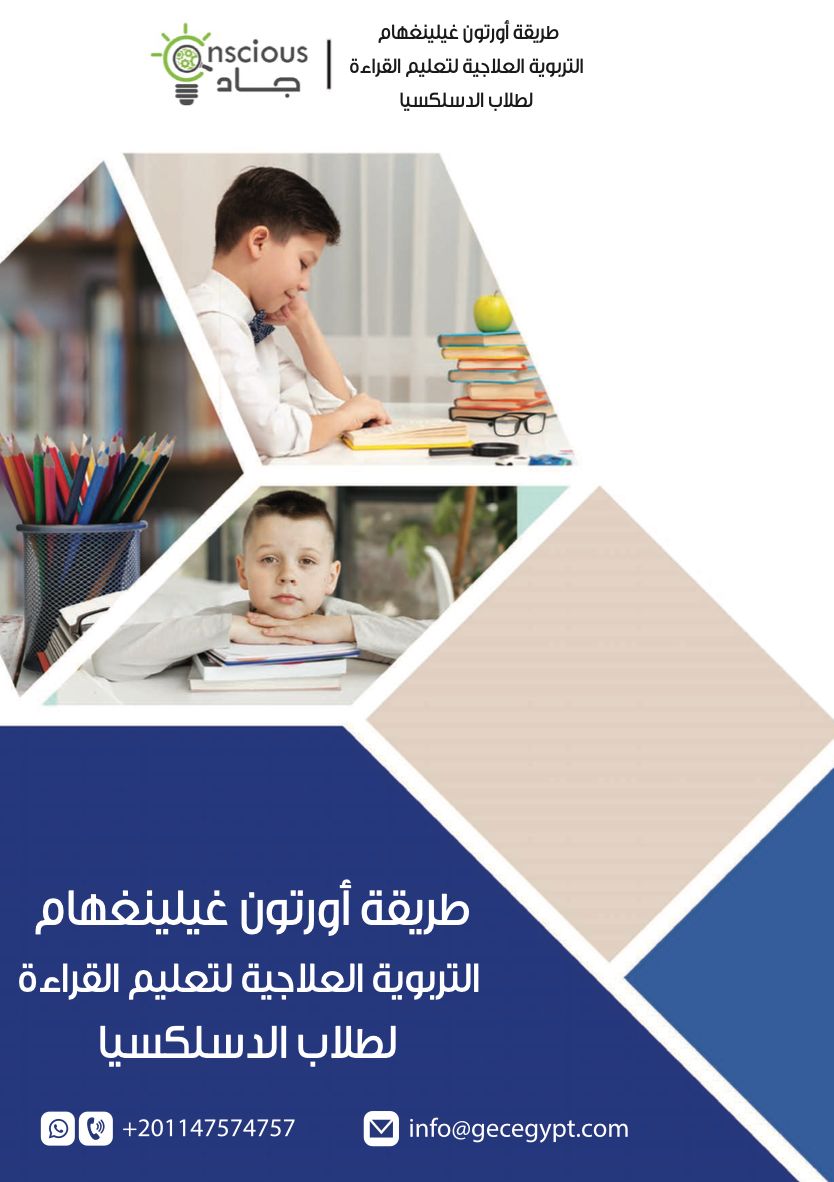
The Orton–Gillingham Approach is a comprehensive instructional resource introducing one of the most widely recognized and evidence-based methods for teaching reading to learners with dyslexia.
Developed through the collaboration of neurologist Samuel Orton and educator Anna Gillingham, this approach is grounded in the understanding that reading difficulties are neurologically based and require structured, explicit, and multisensory instruction.
This resource provides a detailed overview of the key principles of the Orton–Gillingham method, including:
It explains how the approach supports learners in developing foundational literacy skills such as decoding, spelling, and reading fluency through systematic and highly structured teaching. The resource also highlights how the method has evolved over time and continues to be adapted for use with both children and adults with reading difficulties, making it a cornerstone of modern literacy intervention programmes. This makes it an essential resource for teachers, intervention specialists, educational psychologists, and training providers working in the field of dyslexia and literacy development.
The Orton–Gillingham Approach is a comprehensive instructional resource introducing one of the most widely recognized and evidence-based methods for teaching reading to learners with dyslexia.
Developed through the collaboration of neurologist Samuel Orton and educator Anna Gillingham, this approach is grounded in the understanding that reading difficulties are neurologically based and require structured, explicit, and multisensory instruction.
This resource provides a detailed overview of the key principles of the Orton–Gillingham method, including:
It explains how the approach supports learners in developing foundational literacy skills such as decoding, spelling, and reading fluency through systematic and highly structured teaching. The resource also highlights how the method has evolved over time and continues to be adapted for use with both children and adults with reading difficulties, making it a cornerstone of modern literacy intervention programmes. This makes it an essential resource for teachers, intervention specialists, educational psychologists, and training providers working in the field of dyslexia and literacy development.
| Category | Worksheets |
| Language | Arabic |
| Digital Price | Free |
Key Features


