
Loading
Loading
Welcome to Global Educational Consultants Empowering Educators, Learners & Families


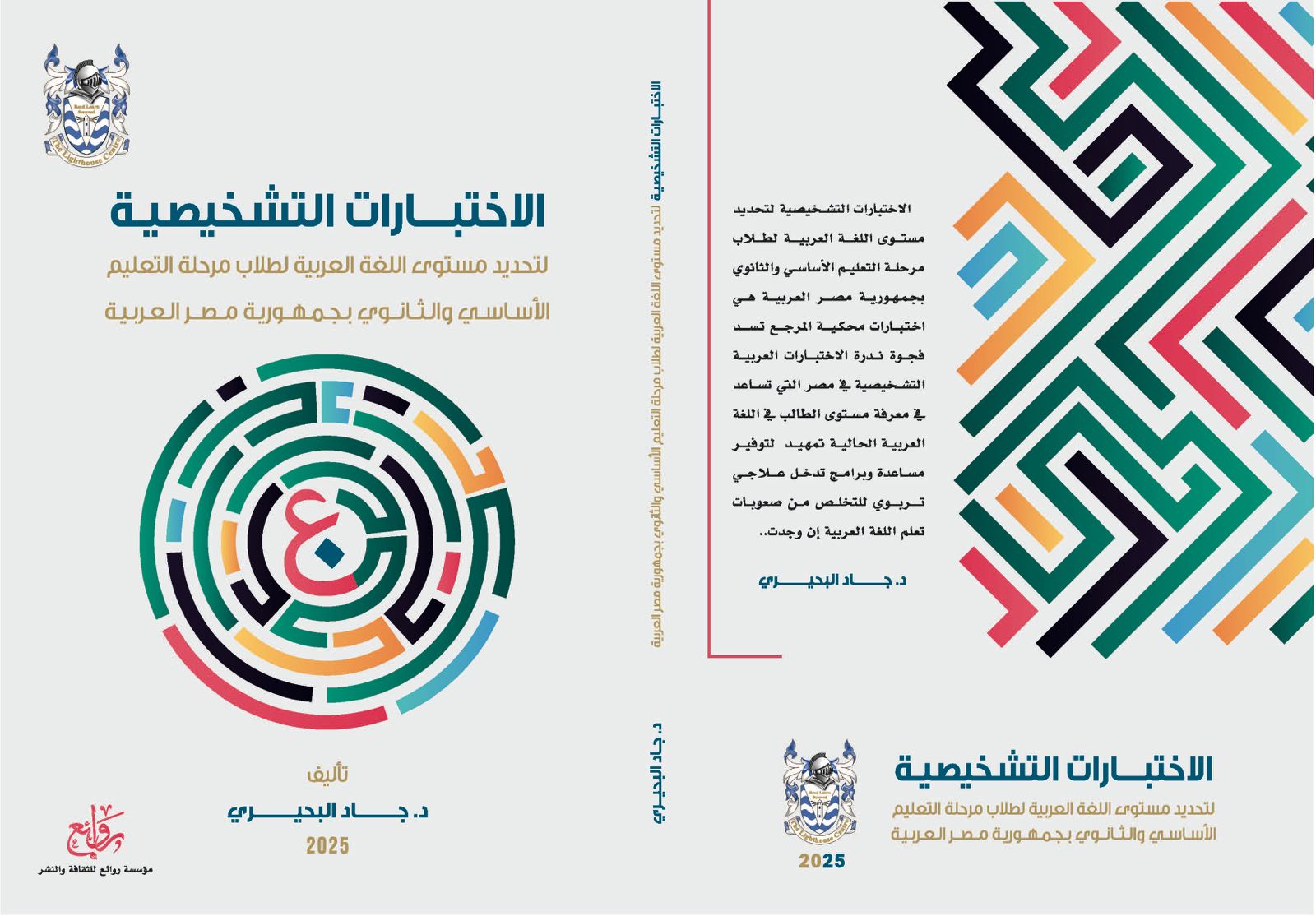
A comprehensive, fully integrated diagnostic assessment system designed to evaluate Arabic language proficiency across the entire school spectrum—from Grade 1 through Grade 12. Developed by Dr. Gad Elbeheri, this system represents a nationally aligned, criterion-referenced diagnostic framework grounded in the Egyptian Ministry of Education curriculum. It provides a unified tool for identifying students’ current performance levels, learning gaps, and readiness for academic progression. This work was specifically developed to address a critical gap in Arabic assessment, where standardized tools for word-level reading, comprehension, and listening skills are limited or unavailable within the Egyptian context. The system enables educators, psychologists, and institutions to move beyond general evaluation toward precise diagnostic profiling, supporting both educational planning and intervention design.
A comprehensive, fully integrated diagnostic assessment system designed to evaluate Arabic language proficiency across the entire school spectrum—from Grade 1 through Grade 12. Developed by Dr. Gad Elbeheri, this system represents a nationally aligned, criterion-referenced diagnostic framework grounded in the Egyptian Ministry of Education curriculum. It provides a unified tool for identifying students’ current performance levels, learning gaps, and readiness for academic progression. This work was specifically developed to address a critical gap in Arabic assessment, where standardized tools for word-level reading, comprehension, and listening skills are limited or unavailable within the Egyptian context. The system enables educators, psychologists, and institutions to move beyond general evaluation toward precise diagnostic profiling, supporting both educational planning and intervention design.
| Availability | Available |
| Category | Book, E-Book, Test |
| Language | Arabic |
| Paper Price | 150$ |
System Structure
1. Full Grade Coverage (Grades 1–12)
As shown in the book structure, the system includes diagnostic tests for every grade level :
Each test is carefully aligned with developmental and curricular expectations.
2. Three Core Diagnostic Domains
All assessments are structured into three standardized domains, ensuring consistency across all grade levels:
a. Reading & Comprehension
b. Language Skills & Grammar
c. Writing & Expression
3. Standardized Scoring Framework
(Example shown in Grade 1 test structure on page 23)
4. Scientific Development & Validation
The system was developed through a rigorous process that included:
5. Administration Model
6. Diagnostic Value
This system enables:
As highlighted in the book, the primary goal is to identify strengths, weaknesses, and the size of the learning gap to inform intervention planning


